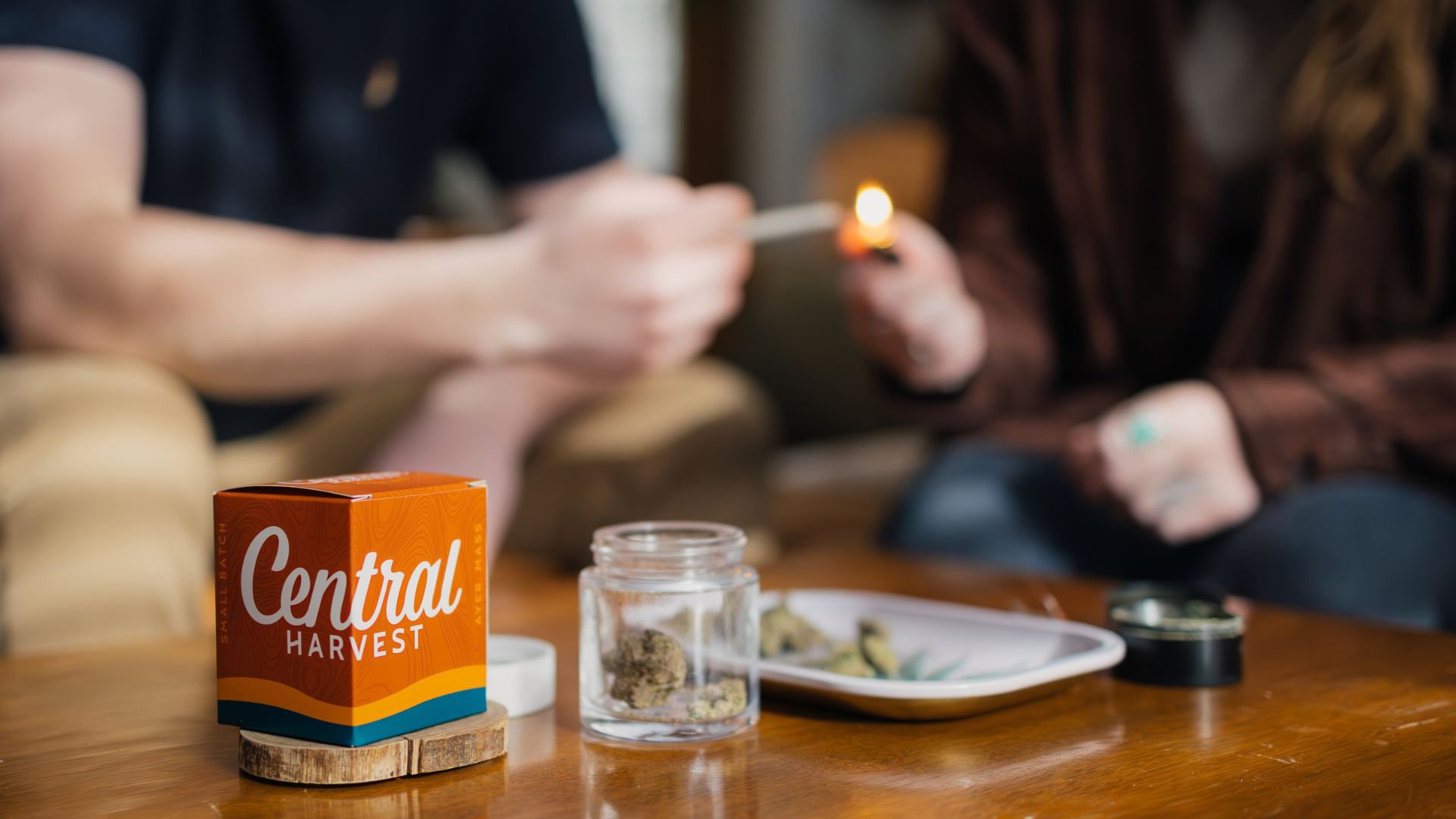

When exploring medical cannabis options, many patients first look at THC or CBD percentages. While these cannabinoids are important, understanding how cannabinoids work together can provide a more complete picture of how a product may fit into an individual’s care routine.
This is where cannabis ratios come in. Rather than focusing on a single cannabinoid, ratios help explain how cannabinoids are combined within a product and why those combinations may create different experiences.
What Are Cannabinoids?
Cannabinoids are naturally occurring compounds found in the cannabis plant that interact with the body’s endocannabinoid system. While more than 100 cannabinoids have been identified, only a handful are commonly found in significant amounts in medical cannabis products.
Each cannabinoid has unique characteristics, which is why many patients look beyond THC percentage alone when evaluating medical cannabis options. Today, many medical cannabis formulations combine multiple cannabinoids to create balanced products tailored to different preferences and wellness goals.
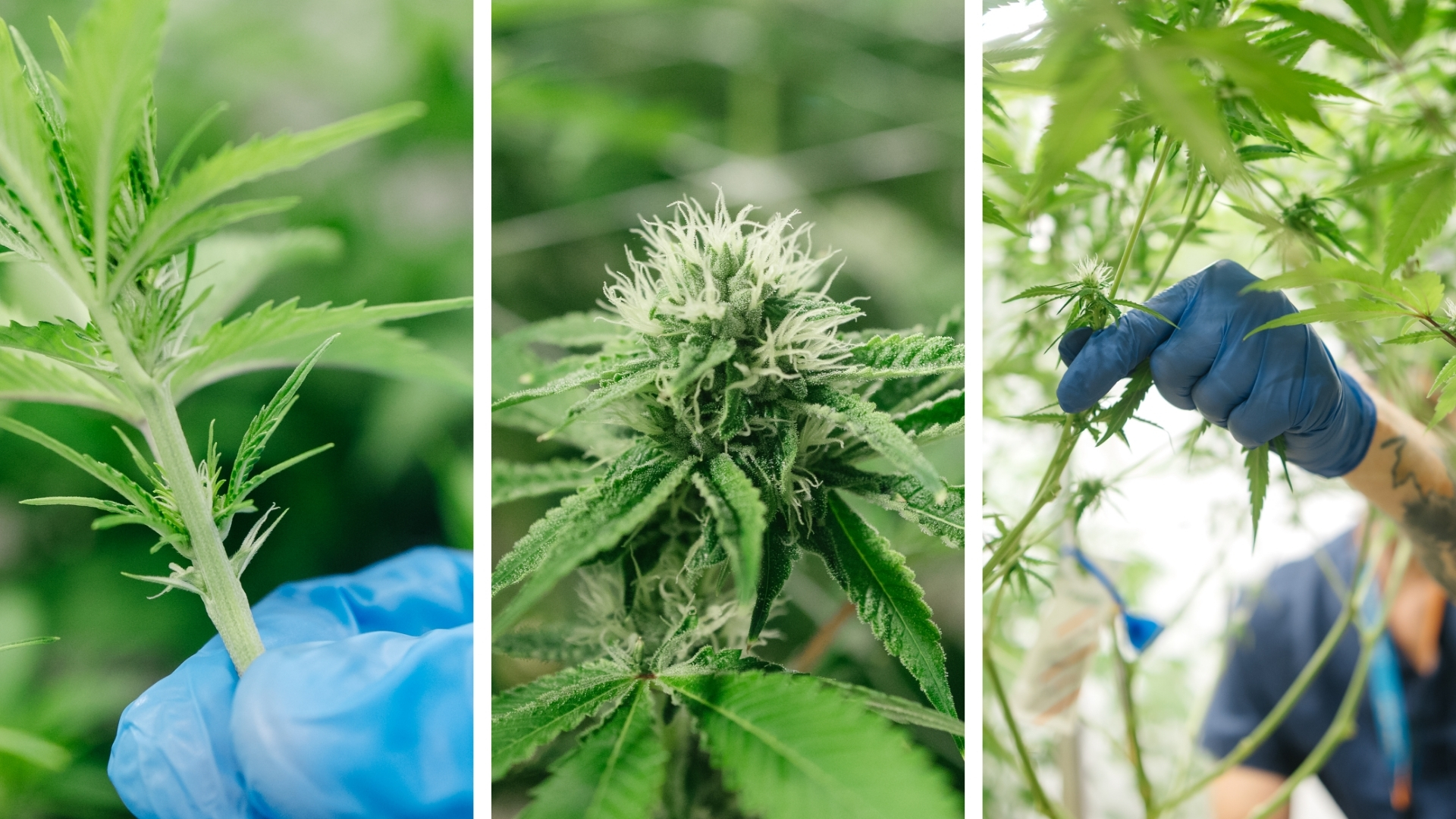
Common Cannabinoids Found in Medical Cannabis
While each cannabinoid has unique characteristics, they are rarely used in isolation. Many modern medical cannabis products combine multiple cannabinoids to create formulations designed to emphasize different properties of the cannabis plant.
THC (Tetrahydrocannabinol)
THC is the primary intoxicating cannabinoid found in cannabis. It is often associated with euphoria and is one of the most abundant cannabinoids found in many cannabis products. To learn more about how THC differs from Total Active Cannabinoids (TAC), read our article on THC, CBD, and TAC: How They Work Together in Medical Cannabis.
CBD (Cannabidiol)
CBD is a non-intoxicating cannabinoid that has become increasingly popular among patients seeking cannabis products without the pronounced psychoactive effects associated with THC.
CBN (Cannabinol)
CBN is a cannabinoid that develops as THC naturally ages and degrades over time. It is commonly found in products designed for evening use and has become a popular ingredient in many nighttime cannabis formulations.
CBG (Cannabigerol)
Often referred to as the “mother cannabinoid,” CBG serves as a precursor to many other cannabinoids produced by the cannabis plant. Unlike THC, CBG is non-intoxicating and has gained attention for its potential role in supporting digestive and gut health.
THCV (Tetrahydrocannabivarin)
Although THCV shares a similar chemical structure with THC, it interacts with the body’s endocannabinoid system differently. Rather than being associated with the relaxing or euphoric effects commonly linked to THC, THCV is often described as providing a more clear-headed experience. THCV is also explored for its role in appetite regulation and metabolic health, although research is still ongoing.
CBC (Cannabichromene)
CBC is a non-intoxicating cannabinoid that is most commonly found alongside other cannabinoids rather than as the primary ingredient in a product. CBC is believed to contribute to the entourage effect and is frequently included in broad-spectrum and multi-cannabinoid formulations designed to create a more complete cannabinoid profile.

What Are Cannabis Ratios?
Cannabis ratios describe the relationship between cannabinoids within a product. Rather than focusing solely on THC or CBD content, ratios help patients understand how different cannabinoids are combined to create a product’s overall cannabinoid profile.
For example, a product labeled 1:1 THC:CBD contains equal amounts of THC and CBD, while a 2:1 THC:CBD ratio contains twice as much THC as CBD. As cannabis science has evolved, manufacturers have expanded beyond traditional THC:CBD formulations to include products featuring cannabinoids such as CBN, CBG, THCV, and CBC in carefully balanced combinations.
Rather than indicating that one product is “better” than another, these ratios simply describe how cannabinoids are balanced within a formulation. Each combination is designed to emphasize different characteristics of the cannabis plant, allowing patients to compare products based on their desired effects.
As research into cannabinoids continues to grow, many patients are choosing products based not only on the amount of THC they contain, but also on how cannabinoids work together. This concept is often referred to as the entourage effect—the theory that cannabinoids and terpenes may interact synergistically to shape the overall cannabis experience. While research is still ongoing, this idea has influenced the development of many modern cannabis formulations and highlights why understanding cannabinoid ratios has become an important part of selecting medical cannabis products.

Popular Cannabinoid Ratios and Why Patients Explore Them
While individual cannabinoids each have unique characteristics, together, they can build a dynamic medical cannabis experience in a single product. These formulations are designed to emphasize certain characteristics of the cannabis plant, giving patients more options based on their individual preferences, tolerance, and wellness goals.
THC:CBD
THC and CBD are one of the most common cannabinoid pairings, often found in ratios such as 1:1, 2:1, and 5:1. CBD is believed to influence how THC interacts with the body, which may help create a more balanced experience for some patients. Because of this complementary relationship, THC:CBD formulations are frequently chosen by patients looking to experience the therapeutic properties of THC while incorporating the non-intoxicating characteristics of CBD. Balanced ratios are often recommended as an approachable starting point for patients who are new to medical marijuana.
THC:CBN
THC and CBN are commonly paired in products designed for evening or nighttime use. THC is often associated with relaxation, while CBN has become one of the cannabinoids most closely linked with sleep-focused products. Together, these cannabinoids create formulations that many patients explore as part of their evening routine.
THC:THCV
Although THCV shares similarities with THC, it produces a distinctly different cannabinoid profile. While THC is commonly associated with relaxation and euphoria, THCV is often described as providing a more uplifting and clear-headed experience. Combining these cannabinoids may create a formulation that some patients find better suited for daytime use, offering the benefits associated with THC while incorporating the energizing characteristics often attributed to THCV.
THC:CBD:CBN
Products containing THC, CBD, and CBN combine three of the most recognized cannabinoids into a single formulation. CBD contributes a balanced cannabinoid profile, THC provides the primary psychoactive component, and CBN is commonly included in products intended for nighttime use. Together, these formulations offer patients a more comprehensive cannabinoid blend than THC or CBD alone.
THC:CBD:CBG
As interest in minor cannabinoids continues to grow, THC, CBD, and CBG have become an increasingly popular combination. CBG is often associated with digestive wellness and a clear-headed experience, while CBD provides a non-intoxicating complement to THC. Together, these cannabinoids create a balanced formulation that many patients explore as part of their daytime wellness routine.
Multi-Cannabinoid Formulas
Many modern medical cannabis products contain four or more cannabinoids in a single formulation. Rather than focusing on one cannabinoid alone, these products are designed to provide a broader cannabinoid profile that reflects the complexity of the cannabis plant. Patients interested in the entourage effect often explore these formulations because they combine several cannabinoids—and often naturally occurring terpenes—within a single product.

How Do Patients Choose the Right Cannabis Ratio?
There is no single cannabinoid ratio that is right for every patient. The ideal formulation depends on factors such as tolerance, previous cannabis experience, desired effects, and the time of day a product will be used.
Many patients begin with balanced THC:CBD formulations before exploring products featuring cannabinoids such as CBN, CBG, or THCV. Keeping track of cannabinoid content, dosage, and personal experience can help patients identify which formulations best align with their individual wellness goals. At Central Ave Compassionate Care in Ayer, MA, our team is available to answer questions about cannabinoid ratios and help patients better understand the options available to them.
Learning About Cannabis Products at Central Ave Compassionate Care
At Central Ave Compassionate Care, education is an important part of every patient’s experience. Whether someone is new to medical cannabis or interested in learning more about cannabinoid ratios, our team is committed to providing clear, evidence-informed guidance on products, formulations, terpene profiles, and consumption methods. Questions about THC, CBD, balanced formulas, and product selection are among the most common conversations we have with patients throughout Ayer and Central Massachusetts.
Education remains a central part of our mission. By helping patients understand cannabinoids, ratios, terpene profiles, and product formats, we aim to provide the information needed to make informed decisions throughout their medical cannabis journey.
Patients interested in exploring different cannabinoid ratios can browse our online menu to compare available products and learn more about the formulations currently available at Central Ave Compassionate Care. If you have questions or would like personalized guidance, stop by our medical dispensary in Ayer, MA, where our experienced team is available to help you explore the options that best align with your individual wellness goals.

Final Thoughts
Understanding cannabis ratios can help medical patients look beyond THC percentages and make more informed decisions about the products they choose. Whether you’re exploring a balanced 1:1 formula, a CBD-dominant product, or a THC-forward option, ratios provide valuable insight into how cannabinoids work together within a single product.
At Central Ave Compassionate Care, we’re committed to helping patients better understand medical cannabis through education, guidance, and access to reliable information. As cannabis science continues to evolve, understanding cannabinoid ratios remains an important step toward finding products that align with individual wellness goals.